
Find the next best actions, sooner than later
A powerful, scalable, and highly pragmatic blockers and resolutions diagnostic.
Don’t get stuckin the messy middle.
Between Jobs To Be Done and Getting Things Done, there are plenty of unclear Things To Be Done.
Clarifying TTBD sharpens our understanding of JTBD, in the resolution that expedites GTD.
Jobs To Be Done tells us what are the important outcomes. Getting Things Done tells us how to prioritize tasks.Things To Be Done reveals how to improve value flows, value systems and value networks.
What makes TTBD so powerful?
How it works?
Stop drowning in lists. Start navigating with graphs
Harness the power of Graph-Thinking to quickly reveal critical attention points
Why you need it?
Practitioners, in their own words“We turned unstructured thoughts to structured knowledge, clear gaps and attention points.”
“Using the solution map helped create clarity and alignment, which expedited work and contributed to successful outcomes on a multi-stakeholder project.”
“Very quickly, Things To Be Done, and Solution Maps became a way of thinking, that saved me so much time.”
Learn more
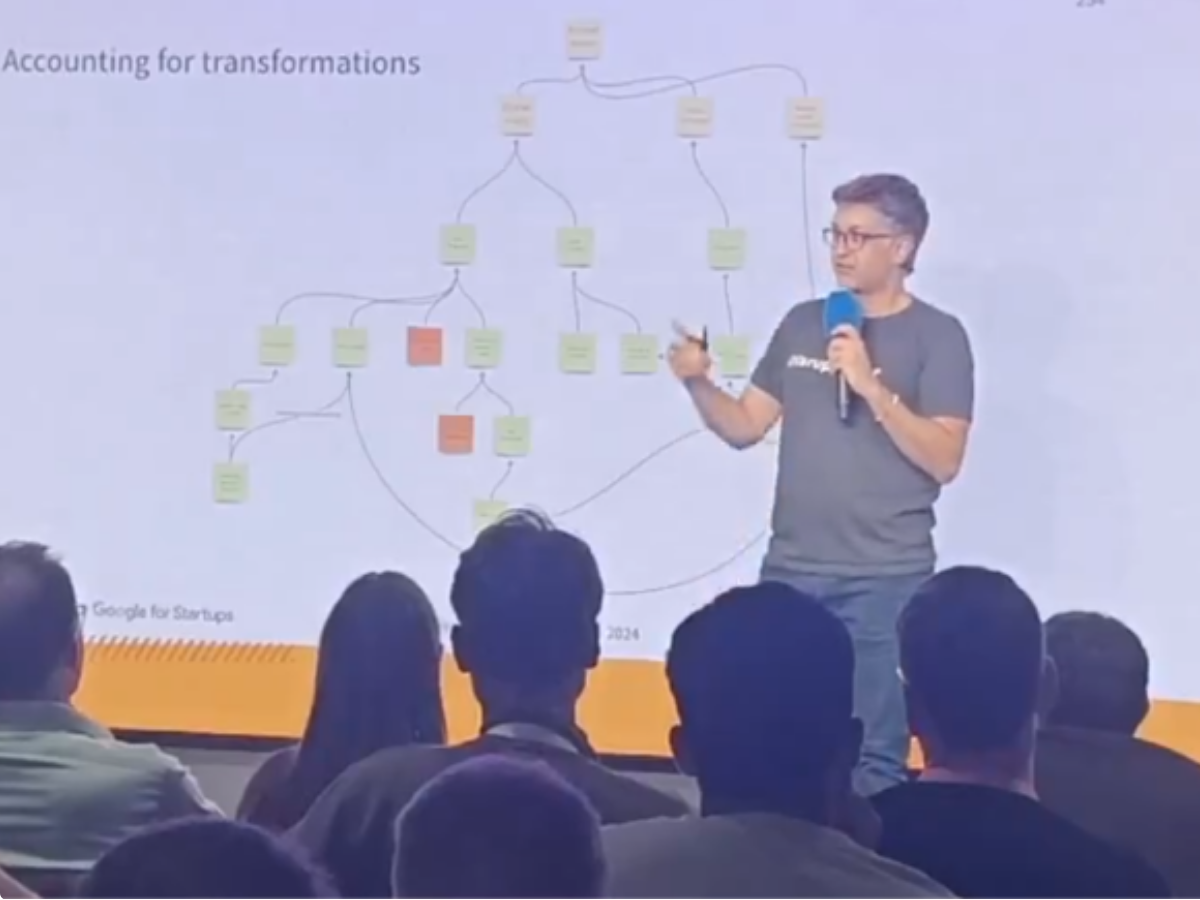
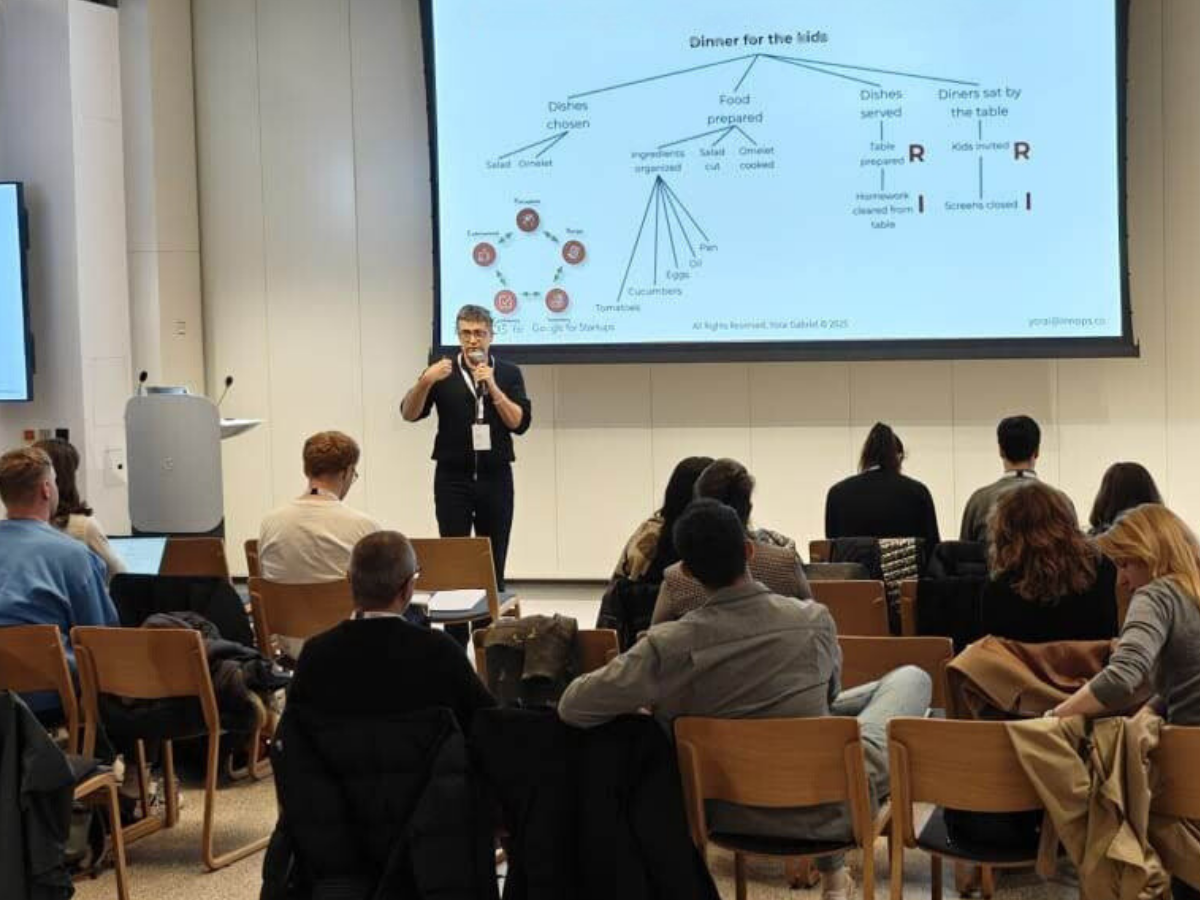
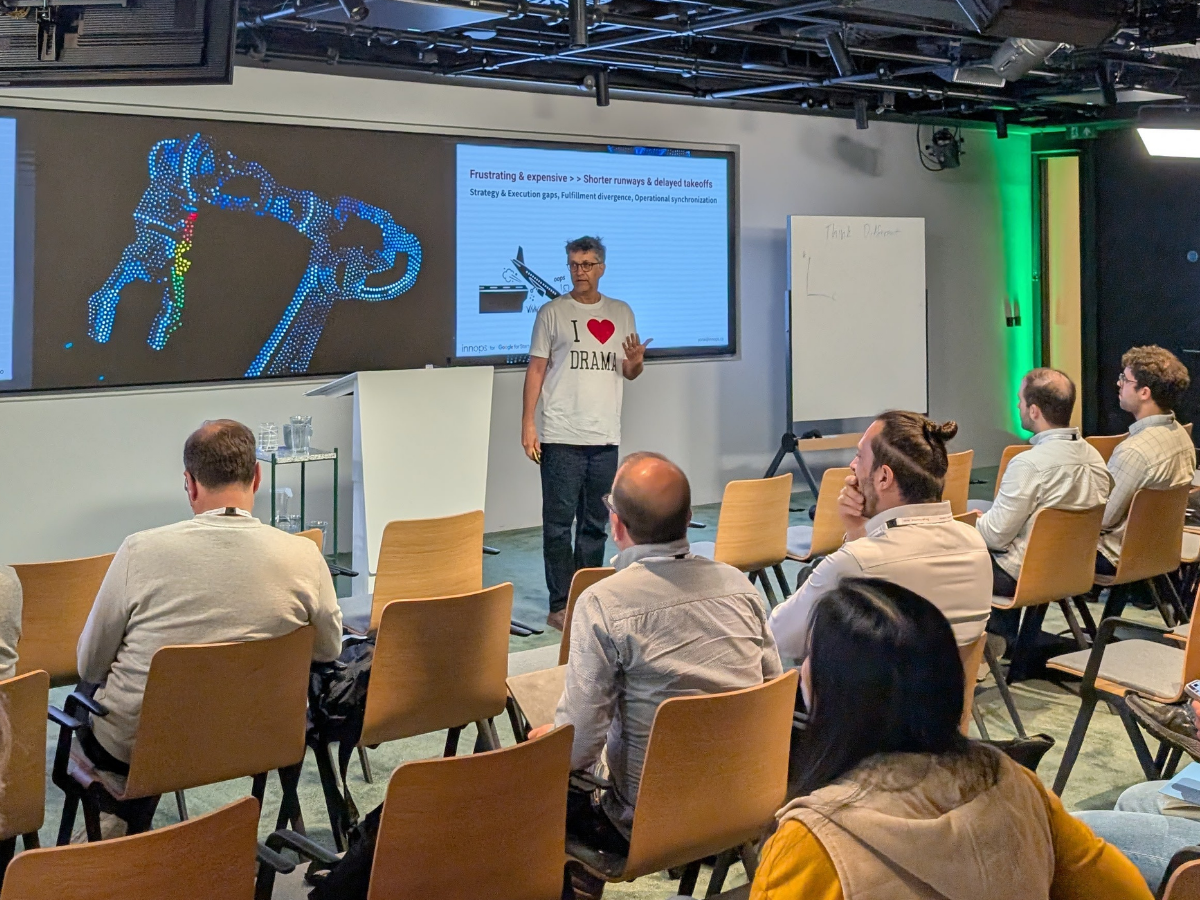
I’ve worked with hundreds of founders and managers to map out their strategic and operational challenges.
Time and again, I saw how the cost of bringing everyone to see, agree on, and resolve frictions and blockers - becomes a reason for avoiding them.
So, I built the framework to reduce the cost of undisputed clarity and accountability.
Planning is not a task towards a deliverable. It’s a critical stage that reveals the things that don’t work, so they could be addressed sooner, better and more mindfully.

Yorai Gabriel
As a four-time founder, I know this pain firsthand. I’ve seen the true cost of ambiguity, the hidden issues discovered too late, and the personal and organizational tax we pay for unnecessary stuckness. Imagine how much more runway we can generate by reducing the messy middle taxes.
FAQ
Is this a methodology or a tool?
TTBD is first and foremost a way of looking at things. It becomes a powerful management tool when practiced to generate Solution Maps that help teams stick together when things usually break apart.
How is it different from OKRs / Jobs To Be Done?
Jobs To Be Done is about inexplicit market needs. TTBD is about unarticulated production conditions. OKRs without TTBD easily become loosely coupled general signals - or worse, assumed indicators that pull attention away from the conditions success actually depends on.
Do I need training to start using it?
TTBD is designed for minimal learning curve. You get the gist in five minutes and start working. You learn it as you go, so within an hour you are already well into your mastery. All it requires is a challenge and the will to address it with clarity.
How long does a work session take?
Usually, between 15 minutes to two hours, depending on the complexity of challenge, and number of participants. I recommend pausing after two hours to reduce cognitive load. And here's the upsides. Work sessions generate significantly more insights than traditional meetings and discussions, and starting a follow-up session takes about two minutes to align and continue making progress.
Who facilitates it - me or you?
You facilitate it. TTBD, Graph-Thinking, and Solution Mapping should be a skill like walking or talking - you don't bring in someone to do those for you. Facilitation sometimes helps to learn by observation, or generating momentum. But the whole purpose of TTBD is increased self-agency.
Does it work remotely / async?
Yes, definitely.
Can it scale across a whole org?
That's the whole purpose. The Solution Map you create eventually becomes your company model.
Book a call
Pick a time.Bring a messy challenge you need to solve.